
How to Save Money With USPS Shape-Based Pricing
Postage rates have gone up again. At the end of January, the United States Postal Service (USPS) instituted a seemingly minor increase of 2 to 10 cents on First-Class postcards, letters, flats, and parcels. These specific increases include:
| Rate as of 01/22/12 | Rate as of 01/27/13 | |
| First-Class™, one-ounce flat | $0.90 | $0.92 |
| First-Class™, two-ounce flat | $1.10 | $1.12 |
| Each additional ounce (up to and including 13 oz.) | $0.20 | $0.20 |
| Rate as of 01/22/12 | Rate as of 01/27/13 | |
| Retail First-Class Mail® parcel (three ounces or less) | $1.95 | $2.07 |
| Each additional ounce (up to and including 13 oz.) | $0.17 | $0.17 |
While charges for heavier parcels remain largely the same, this increase is having a noticeable impact on businesses large and small as it’s mainly targeted at mail items weighing under 3 ounces – the weight-class that typically includes the bulk of direct mail pieces. But with shape-based pricing and a little forethought, you may be able to cut mailing costs by taking these restrictions into account.
Here's how.
The basics of shape-based pricing
Shape-based pricing went into effect May 14, 2007 and increased postage costs by an average of 7.6 percent, impacting the way most businesses send mail. Until the introduction of shape-based pricing, the USPS charged the same rate for all letters, flats, and parcels of the same weight. However, pricing based on weight alone didn't accurately reflect the USPS's actual processing and delivery costs, as awkwardly-shaped items require more resources and time to process.
With shape-based pricing, everyone must measure the dimensions of each mail piece in addition to weighing it. These changes encourage businesses to use mailers that easily pass through the USPS's automated mailing machines. And the more your mail complies with their standards, the more you can save in the long run.
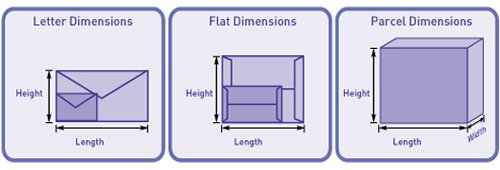
Photo courtesy of Pitney Bowes
How does shape-based pricing affect my business?
Shape-based pricing is directly related to the quantity and frequency of your mailing habits. This makes planning and efficiency critical to your cost-effectiveness. Depending on your mailing habits, a few guidelines to keep in mind include:
- Businesses that only send a small numbers of letters will see a standard increase in postage costs.
- Businesses with a heavy volume of mail may want to reduce the size of their mail pieces and purchase automated equipment, both of which can ensure accurate postage and reduce costs.
- Businesses that send thousands of mail pieces per month are affected the most, and should definitely invest in automated equipment, the latest technology, and dedicated personnel to monitor your proposed mailing initiatives in comparison to current USPS regulations and fees.
Streamline to save on postage
If you depend on the USPS, there's no way to get around shape-based pricing. But at the same time, you want to make sure you’re not overpaying. Start by assessing how your business sends mail:
- Can your flats be reconfigured to fit into easier-to-process letter-sized envelopes?
- Are you using parcels to send materials that could be sent as flats?
By changing the size and shape of your mail, you could qualify for lower rates. You may even wind up paying less than you did before the changes.To obtain exact postage costs and information, see the USPS’s Pricing & Classification page.
In addition, you can make some small adjustments to your mailing design and processes that could end up producing noticeable savings. These include:
- Print on both sides of multi-page documents to reduce weight and thickness.
- Switch from bulky folders and brochures to slimmer flyers and coupons.
- Invest in addressing machines and letter folding equipment to cut mail processing costs and reduce staff-time spent preparing your mail.
- Integrate a quality postage meter and related shape-based pricing equipment into your operation (learn more about this option with our Postage Meter's Buyer's Guide).
- If you typically send multiple pieces of mail to the same customers each month, combine them into a single mailing to cut postage costs.
- Use the Address Management tools, offered by the USPS, to ensure your addresses are correct and to help reduce undeliverable mail.
- Offer small rewards to customers who agree to accept documents by fax or email instead of physical mail.
- For larger parcels, consider FedEx, DHL, or UPS, who aren't currently subject to shape-based pricing.
Another way to save on postage: Forever Stamps
As part of the shape-based pricing initiative, the USPS also introduced the highly-anticipated Forever Stamp. This stamp does not have a denomination. Rather, customers pay the first-class rate at the time of purchase and can use the stamps to mail letters even after postage rates increase.
For example, in 2011 the cost to mail a normal-sized letter weighing 1 ounce or less to an address within the United States was $0.44. In 2012, that rate went up to $0.45 and has since gone up again to $0.46. If you purchased Forever Stamps in 2011 at the rate of $0.44, you would still be able to use those stamps to mail a First-Class letter today without having to add an additional $0.02 stamp to the envelope.
Ready to Compare Postage Meters Price Quotes?