
What You Need to Know About Security Alarm System Features
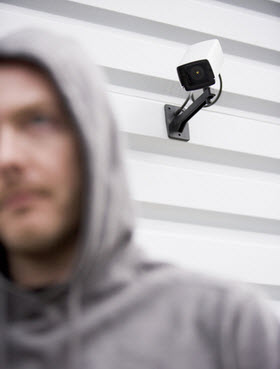
With identity theft and shrinkage on the rise, it's more important than ever to have quality security alarm systems installed in your business. And it's not just the little guys in the business world - according to statistics from the 24th Annual Retail Theft Survey by Jack L. Hayes International, 24 major retailers lost over $6 billion in 2011 from thieving employees and shoplifters.
While security alarm systems can't completely eliminate theft or vandalism, monitored systems by reputable dealers could curtail the problem and perhaps catch perpetrators in the act.
Know Your Points of Vulnerability
Knowing where you are most vulnerable and when are two factors to consider when trying to reduce shrinkage and shoplifting. Here are a few tips to help you secure your business a little better.
- Pointing the video from above and to the side is the best placement for register coverage. Making sure that you have a clear shot of the till and the face of the customer is a great placement. If you are limited on space, then aim for the spot where the customer's face might be.
- Keeping your cameras in plain sight is a great idea. The idea of a security camera is to keep people from stealing, not trap them at it. Making it known that you have cameras in play and offering up some sort of proof as a reminder (a mounted monitor displaying security video, for example) is a great deterrent.
- Controlled access to restrooms and warehouse areas is another solution for knowing who was where and at what time.
- Limit access to trash area is another step one can take. A majority of shrink associated with employee theft goes out the back door. Setting up a monitoring system with a recorded video feed in the back area and limiting access to and from that area helps cut down on shrink dramatically.
Equipment Needed
Equipment for cutting down on shoplifting and shrink goes beyond cameras and RFID detectors. Here are some types of equipment to consider when beefing up your own security;
Keypad Locks add a measure of security to your back areas and public accessible facilities, such as restrooms. Codes might be issued to employees so that the owner/manager can track an individual's movements to and from a facility and within it. Costs range from $75-$300 depending on the type, make and model of the locks.
Motion detectors are something to be considers when looking to avoid after hours shrink. While typically thought of as a burglar alarm, these sensors can be programs to turn on and off within a specific area to effectively close off access after a certain time. Prices range for $50- $200 and higher.
Digital camera solutions are cheaper than ever before. Having the right cameras in place can make all the difference when it comes to alerting one where their shrinkage weaknesses are and are a good deterrent for shoplifters. Costs can run as low as $50 but are often in the $200 range.
A "Tilt, pan, zoom" (TPZ) option that is controllable remotely offers the ability to record someone in the act and follow them out the door, if needed. These cameras are more expensive at around $300-$400 per unit.
Ready to Compare Monitored Alarm Systems - INACTIVE Price Quotes?